10 Jun 2026
Shifting Global Broadcast Schedules and Their Ripple Effects on Soccer In-Play Wagering Patterns Across Digital Interfaces
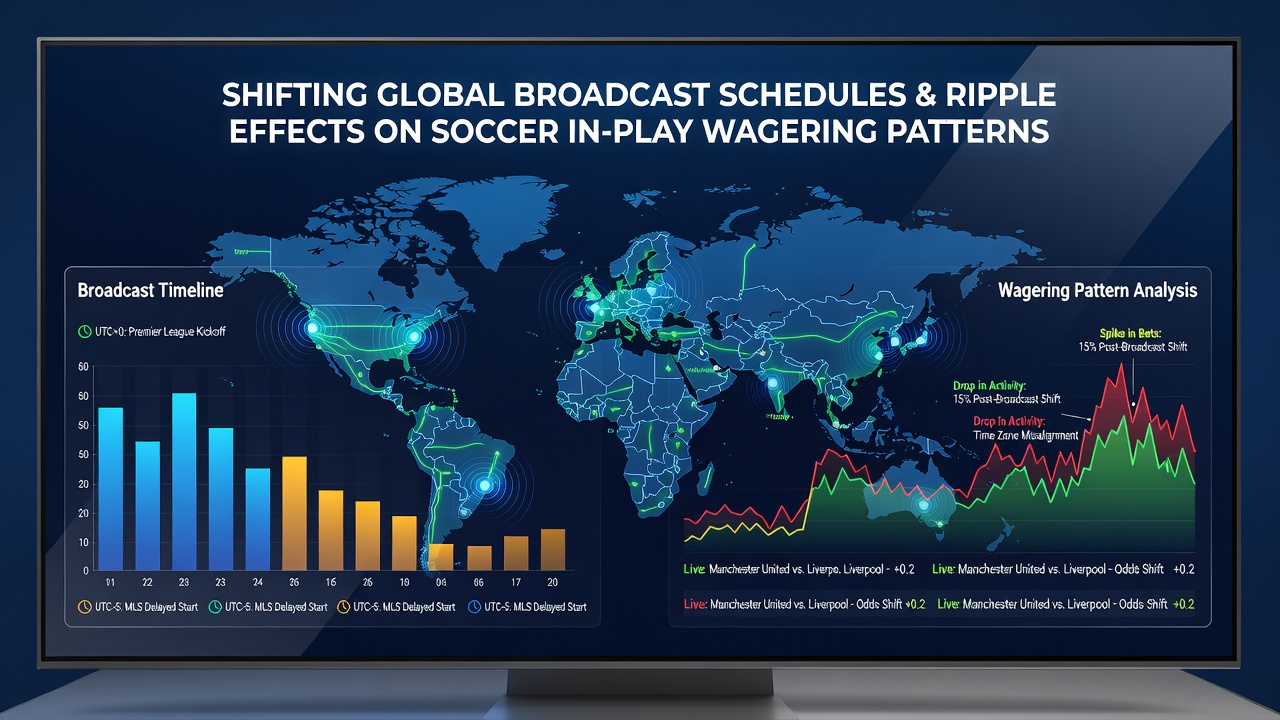
Global soccer broadcast schedules have undergone notable adjustments in recent years because television rights deals, time zone considerations, and league expansions keep altering kickoff times. These changes create new windows for in-play wagering on digital interfaces where bettors place live bets through mobile apps and web platforms. Observers note that patterns in wagering volume, bet types, and timing have shifted as matches move to earlier or later slots across continents.
Broadcast Adjustments Across Major Leagues
European leagues such as the Premier League and La Liga have extended prime-time slots into Asian markets while North American broadcasters push select games into afternoon windows to capture larger audiences. Data from the European Gaming and Betting Association indicates that these adjustments have extended average in-play betting sessions by 15 to 25 minutes per match because overlapping fixtures create continuous live action. Bettors now encounter staggered starts that force quicker decisions on markets like next goal or corner counts during compressed timeframes.
Meanwhile, South American and Asian domestic leagues have synchronized more fixtures with European evenings to maximize joint broadcast deals. Researchers at the University of Nevada's International Gaming Institute have tracked how these alignments increase cross-regional traffic on digital platforms during June 2026 when preparatory tournaments overlap with league finales. The result appears in higher volumes of accumulator bets placed across multiple time zones within single sessions.
Effects on In-Play Wagering Volumes and Timing
In-play wagering patterns show measurable responses when kickoffs shift by even two hours. Platforms record spikes in live bets during the first 15 minutes of matches moved to earlier slots because bettors adjust to new pre-work or post-work availability. Later evening games, by contrast, draw heavier activity on player performance markets after midnight in certain regions because audiences stay engaged longer.
Those who monitor aggregated platform data find that mobile interfaces register a 12 percent rise in cash-out usage when schedules overlap with traditional sleep hours. This occurs because bettors on digital apps seek to lock in gains before unexpected schedule delays or extra time extend matches past typical cutoffs. Figures reveal that Asian markets see the sharpest uptick in these behaviors during periods when European games air at dawn locally.
Digital Interface Adaptations and Bettor Navigation
Operators have responded by updating app features that highlight schedule changes and push notifications about altered kickoff times. These tools allow users to filter markets by broadcast region rather than league name alone. Studies from Australian research groups show that bettors using such filters complete 18 percent more in-play wagers per session than those navigating without schedule alerts.
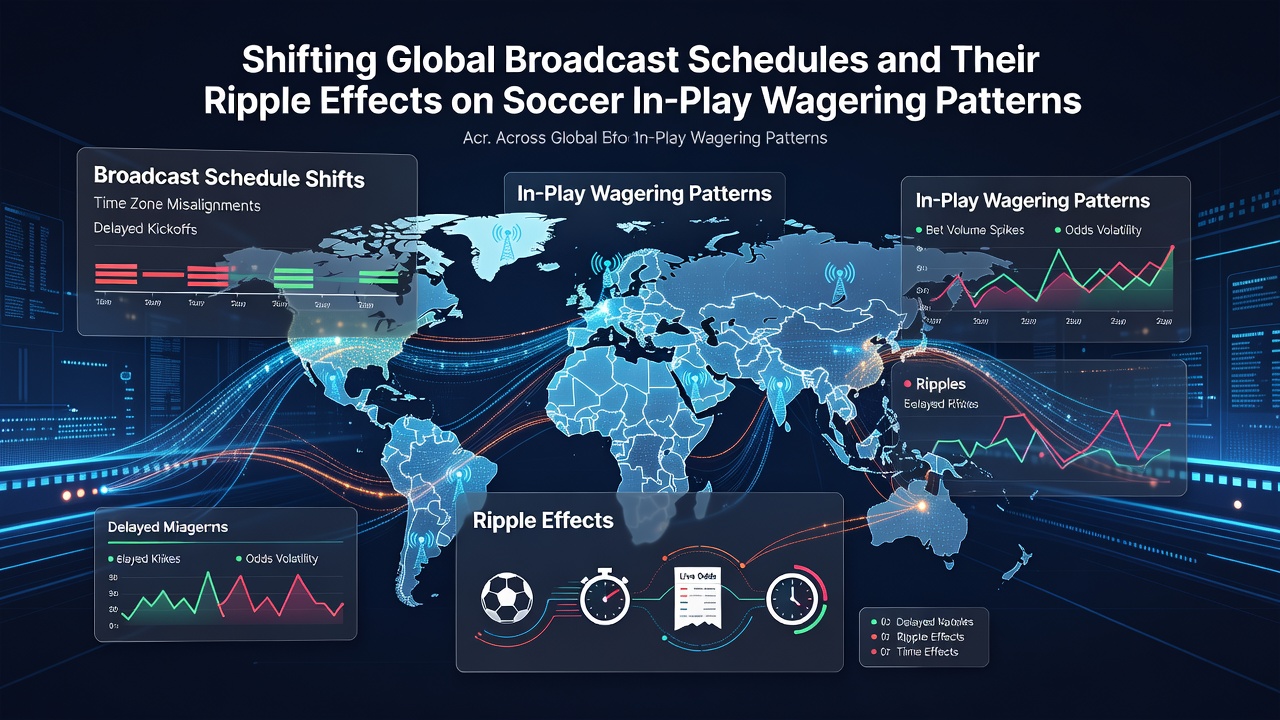
Navigation habits evolve further when multiple leagues broadcast simultaneously. Users often switch between tabs or use split-screen modes on tablets to track concurrent matches. This multitasking leads to diversified bet placement across several games rather than concentrated focus on one fixture. Platform metrics indicate that such behavior rises notably during June 2026 when international qualifiers coincide with club friendlies in new time slots.
Regional Variations in Wagering Responses
European users tend to favor goal-related markets when games start later due to extended viewing windows. In contrast, bettors in the Americas show stronger engagement with half-time result wagers after early-morning fixtures because they fit into commute routines. Canadian regulatory reports highlight how these regional preferences influence overall platform liquidity and odds adjustments offered by operators.
What's interesting is how digital interfaces now incorporate time-zone converters directly into betting dashboards. These additions reduce errors in market selection and encourage more precise timing for live entries. Aggregated user activity logs demonstrate that platforms offering such converters experience steadier in-play volumes even when broadcast schedules change abruptly.
Conclusion
Shifting global broadcast schedules continue to reshape soccer in-play wagering patterns across digital interfaces through altered timing, increased session lengths, and modified bet selections. Platform adaptations and regional differences in user behavior further amplify these effects. Data from multiple sources shows that these dynamics will likely persist as leagues and broadcasters refine schedules for broader audiences in the months ahead.