5 Aug 2026
Pitch Surface Variations Guiding Real-Time Soccer Selections on Rated Wagering Sites
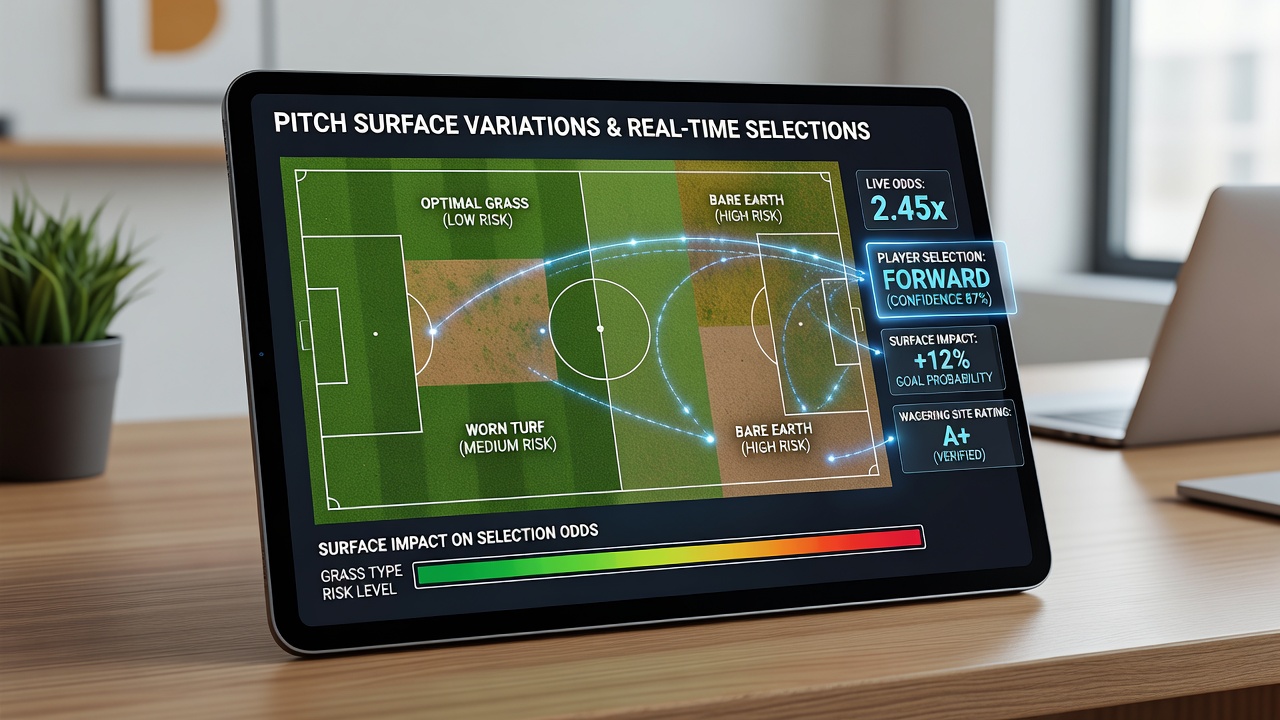 Data from multiple leagues indicates that pitch surface conditions directly influence ball roll speed, player movement patterns, and injury rates, which in turn shape live wagering decisions on established platforms. Observers note that natural grass tends to slow play in wet conditions while artificial surfaces maintain consistent bounce throughout a match, prompting bettors to adjust selections on over-under totals and corner counts in real time. Research from sports performance institutes shows these differences become most pronounced during August fixtures when schedules intensify and grounds experience heavy use.
How Surface Types Alter Match Dynamics
Artificial turf produces faster ball speeds and higher bounce compared with natural grass, according to biomechanical analyses conducted across European and North American competitions. Teams accustomed to home grass often see their passing accuracy drop when visiting venues with hybrid or synthetic pitches, leading platforms to update goal-scoring probabilities within minutes of kickoff. Those monitoring live odds frequently reference these patterns when placing wagers on first-half totals, since data reveals elevated corner volumes on faster surfaces during opening periods.
Conversely, rain-soaked natural grass creates heavier conditions that favor defensive setups and reduce shot accuracy. Bettors on rated sites respond by shifting toward lower goal lines or player-specific props such as tackles and interceptions once reports confirm pitch saturation. Figures from league tracking systems confirm that such adaptations occur more rapidly on mobile interfaces where users receive surface updates alongside in-play markets.
Real-Time Adjustments on Wagering Platforms
Operators integrate pitch condition feeds from stadium sensors and official reports to recalibrate odds dynamically. When early match footage shows excessive wear on one side of the field, algorithms adjust expected passing completion rates and trigger revised lines for possession-based markets. Users who track these shifts often combine the information with team-specific historical data to time entries on player assists or shots on target.
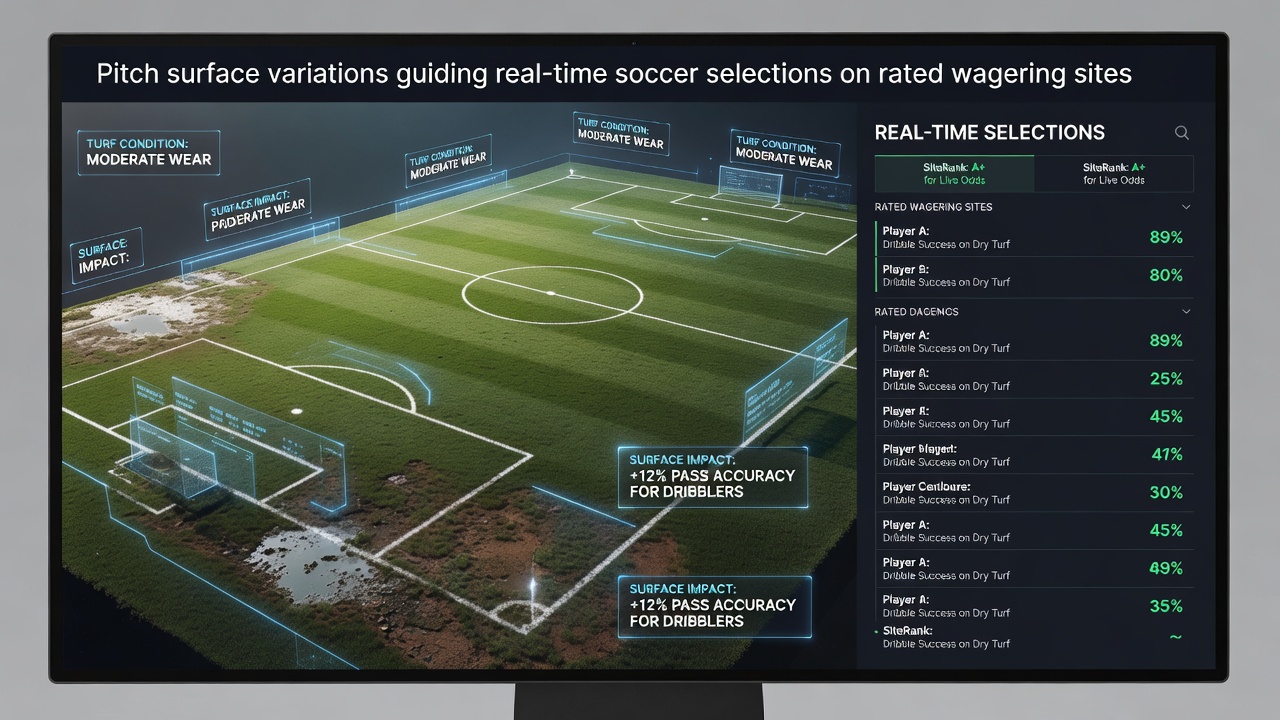
Studies compiled by the FIFA Technical Division highlight that hybrid pitches reduce injury frequency yet still produce variable traction depending on temperature and maintenance schedules. Platforms incorporate these variables into their models so that bettors can refine selections on cards or fouls when friction levels deviate from seasonal averages. In August 2026, pre-season testing across several leagues revealed measurable differences in ball speed between newly laid surfaces and established ones, prompting immediate updates to live market offerings.
Regional Variations and Bettor Behavior
North American venues increasingly favor artificial surfaces for durability during extended seasons, whereas many South American and European grounds retain natural grass that requires more frequent upkeep. This geographic split creates distinct patterns: data from Canadian regulatory summaries shows higher volumes of live corner wagers on turf-heavy schedules, while Australian research institutes report greater emphasis on goal totals when grass conditions vary with weather. Bettors who follow these regional trends often cross-reference multiple sources before committing to selections on mobile apps.
Platform interfaces now display surface indicators alongside standard stats, allowing users to filter markets based on pitch type. Historical performance metrics tied to specific venues help refine expectations for set-piece frequency, since artificial surfaces correlate with increased throw-ins and long throws in documented match logs.
Integration with Broader Market Trends
Live wagering volumes rise when surface information arrives early enough for bettors to compare it against team lineups and weather forecasts. Industry reports from European gaming associations note that integrated alerts about pitch degradation lead to measurable spikes in adjusted prop bets during congested August calendars. Observers tracking these movements find that selections on individual player performance metrics respond most sensitively to surface changes, as traction differences affect acceleration and cutting movements.
Those reviewing aggregated platform data observe consistent correlations between reported pitch quality and shifts in over-under lines for total shots. The pattern holds across major competitions where hybrid surfaces dominate, with bettors timing entries after the initial ten minutes once ball behavior stabilizes.
Conclusion
Pitch surface characteristics continue to serve as a key variable in real-time soccer wagering across rated platforms. By combining official reports, sensor data, and historical venue metrics, users adapt selections on goals, corners, and player props as conditions evolve during matches. Ongoing developments in surface technology and data delivery systems suggest these influences will remain central to in-play decision making through future seasons.