1 Jul 2026
How Weather Pattern Disruptions Shape Real-Time Soccer Market Adjustments on Cross-Platform Apps
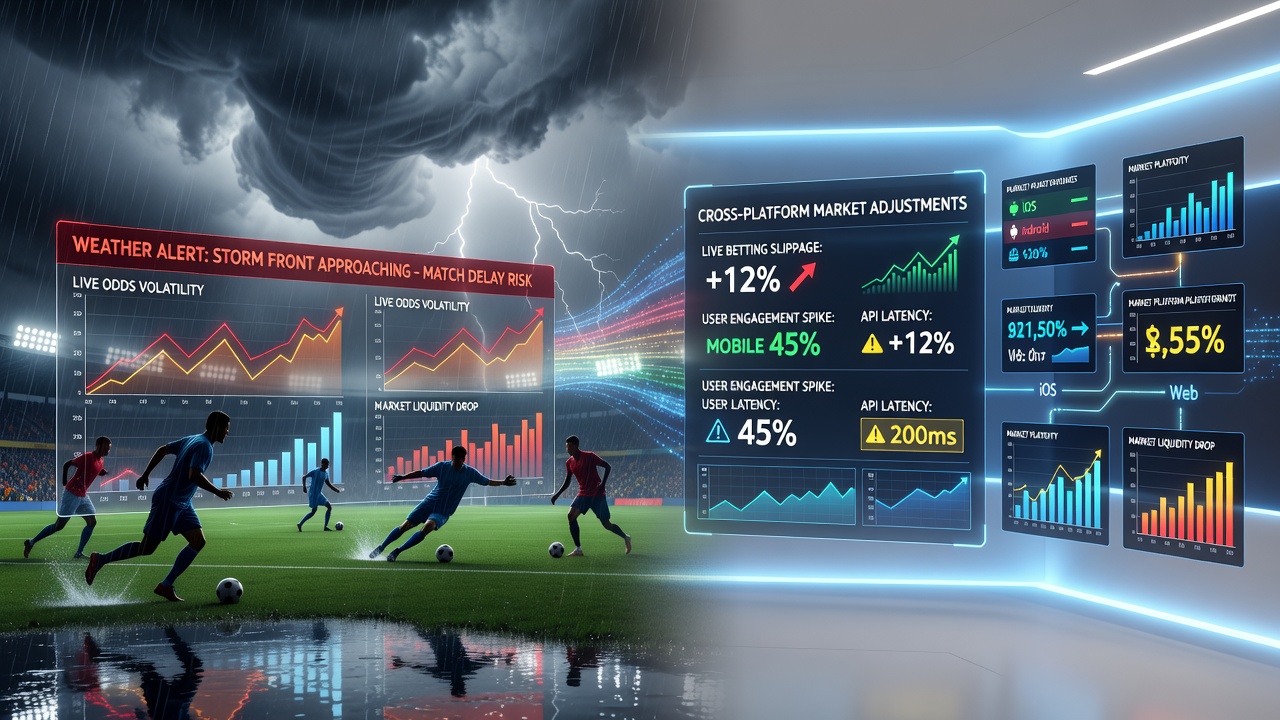
Weather pattern disruptions create immediate effects on soccer matches that extend directly into live betting environments across multiple digital platforms, and these changes require rapid recalibrations in market offerings. Data from meteorological agencies shows increased frequency of extreme rainfall events and temperature swings during summer months, including periods around July 2026 when pre-season fixtures and international tournaments overlap with volatile atmospheric conditions in various regions.
Weather Events and Their Direct Effects on Matches
Heavy downpours or sudden heatwaves alter pitch conditions, player performance metrics, and even match schedules, which in turn feed into algorithmic models used by betting platforms. Observers note that when lightning strikes force temporary suspensions, as documented in several European league encounters during recent seasons, total goal projections shift because teams adjust tactics once play resumes. Research from institutions tracking climate impacts indicates these interruptions occur more often in mid-latitude venues where storm tracks have intensified over the past decade.
High temperatures above 30 degrees Celsius reduce player sprint distances and increase substitution rates, facts confirmed through performance tracking systems employed by professional clubs. Such physiological data gets incorporated into real-time feeds that betting apps monitor continuously. Cross-platform systems then propagate these inputs across mobile, tablet, and desktop interfaces so users encounter consistent updates regardless of device.
Market Adjustments Triggered by Environmental Data
Live soccer markets respond to weather inputs through automated pricing engines that integrate satellite imagery, ground sensors, and historical correlations. When forecasters issue alerts for flash flooding, bookmakers widen spreads on corner counts and card markets because slippery surfaces correlate with defensive errors. Figures released by European sports data providers reveal that during one July 2026 heatwave affecting Scandinavian venues, under-2.5 goal lines tightened by an average of 0.3 within minutes of temperature readings crossing thresholds.
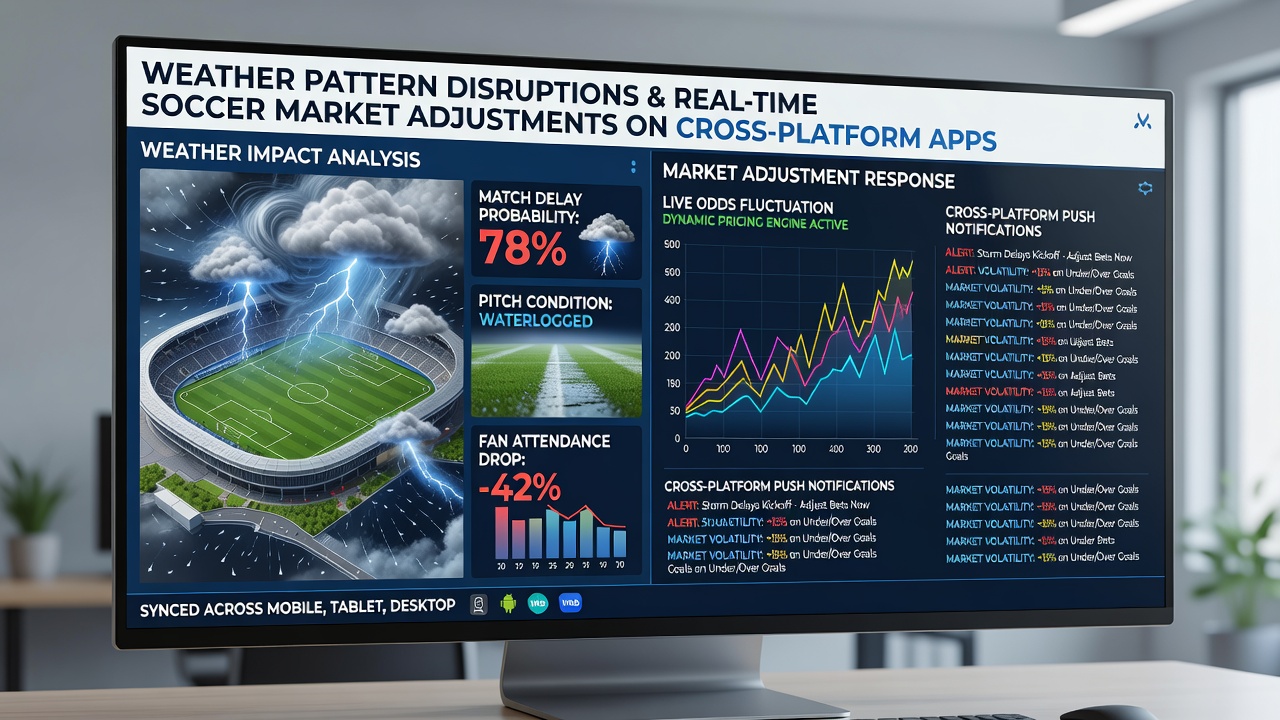
Platform operators pull information from multiple sources including national weather services and on-site IoT devices, allowing them to recalibrate probabilities before human traders intervene. Those who have studied these systems know the adjustments occur in layered stages: initial model outputs trigger preliminary odds movement, followed by manual review for high-volume markets. This process maintains synchronization across operating systems and ensures that a wager placed on a phone reflects the same risk parameters shown on a desktop terminal.
Cross-Platform Synchronization Challenges
Delays in data transmission between weather APIs and betting engines create brief windows where market discrepancies appear across devices. Technical reports from industry associations highlight that developers address these gaps through edge computing nodes positioned near major stadiums, which push localized forecasts directly into app backends. During congested July 2026 schedules, when multiple leagues run simultaneously under shifting jet stream patterns, such infrastructure proved essential for maintaining parity between iOS and Android versions.
Users accessing the same match via different networks sometimes receive staggered updates, a phenomenon traced to carrier routing rather than platform design. Regulatory filings from North American gaming commissions indicate operators must log these latency events to demonstrate fairness, prompting investment in redundant satellite links. The result appears in unified interfaces where weather overlays display identical readings whether accessed through native applications or web browsers.
Examples from Recent Tournament Periods
One documented instance involved a South American qualifier disrupted by unexpected Andean snowfall in early 2026, after which over-3.5 goal markets expanded rapidly once grounds crews cleared the pitch. Similar patterns emerged in Australian A-League pre-season games during July when coastal humidity spikes coincided with defensive lapses. Aggregated user activity logs show increased traffic to player prop markets tied to stamina metrics during these conditions, with platforms responding by surfacing related statistics alongside weather icons.
Academic studies published through university sports science departments confirm that wind speed variations above 25 kilometers per hour correlate with reduced set-piece accuracy, prompting corresponding shifts in handicap lines. Cross-platform apps now embed these variables into customizable alert systems so bettors receive notifications when forecasts cross operator-defined thresholds.
Conclusion
Weather pattern disruptions continue to drive measurable changes in how soccer markets adjust across connected applications, with data pipelines linking atmospheric observations directly to odds engines. Continued monitoring by meteorological and gaming oversight bodies supports ongoing refinements in these interconnected systems as environmental variability persists into future seasons.