3 Aug 2026
How Loyalty Structures Influence In-Match Decision Patterns on Mobile Devices for Soccer Enthusiasts
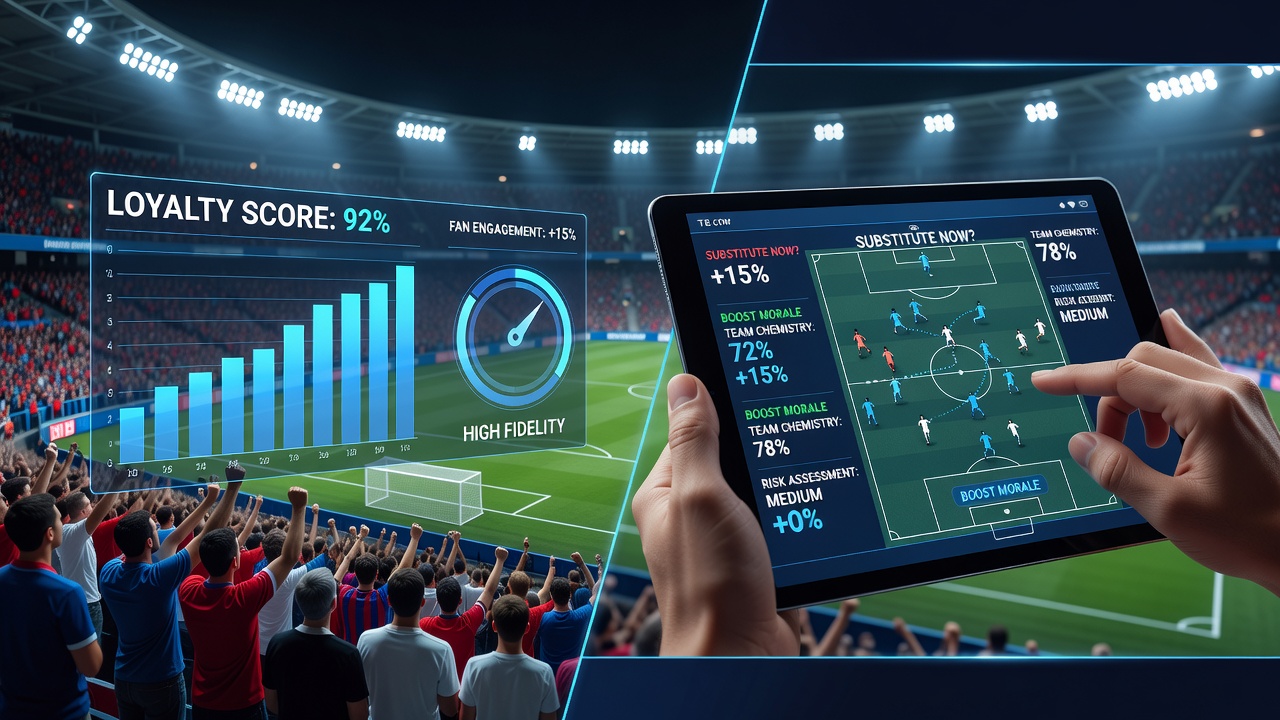
August 2026 has brought renewed attention to mobile platforms that integrate loyalty frameworks with live soccer viewing, where points systems and tiered rewards guide how enthusiasts interact with matches in real time. Observers note that these structures reward consistent app usage through actions such as checking into streams, completing polls, and viewing extended highlights, which in turn directs attention toward specific in-match features like alternate camera feeds or player statistics overlays.
Core Components of Soccer Loyalty Frameworks on Portable Devices
Many official league and club applications now operate multi-level loyalty programs that accumulate points based on session duration and engagement frequency, and these programs connect directly to in-match tools available on smartphones and tablets. Data from industry reports shows that users who reach higher tiers unlock options to adjust notifications for goal replays or access exclusive team lineups during ongoing fixtures, leading participants to prioritize certain decision points over others while matches unfold.
Points Accumulation and Real-Time Choices
Users earn credits by maintaining presence within an app during key periods such as halftime or injury stoppages, and this mechanic shapes patterns where fans select interactive elements like live voting on man-of-the-match candidates or toggling between broadcast angles. Research conducted by academic institutions in Europe indicates that participants in these systems spend extended intervals reviewing loyalty dashboards mid-match rather than focusing solely on the field action, because accumulated points often convert into temporary boosts for premium content access.
Analysts tracking usage across major tournaments observe that loyalty milestones prompt enthusiasts to switch between multiple match windows on a single device, particularly when rewards include priority alerts for upcoming set pieces or penalty decisions. Such behavior appears more frequently among those enrolled in programs tied to domestic leagues, where weekly fixtures create repeated opportunities to build status before international breaks interrupt the calendar.
Geographic Variations in Platform Adoption and User Behavior
Platforms serving North American audiences integrate loyalty elements with regional soccer leagues, where data from Canadian sports research groups reveals that fans respond to tiered incentives by customizing alert preferences for specific player milestones during live games. In contrast, applications popular in Australian markets emphasize community challenges that reward collective engagement, leading participants to coordinate decisions about shared viewing rooms or synchronized in-app reactions at critical moments.
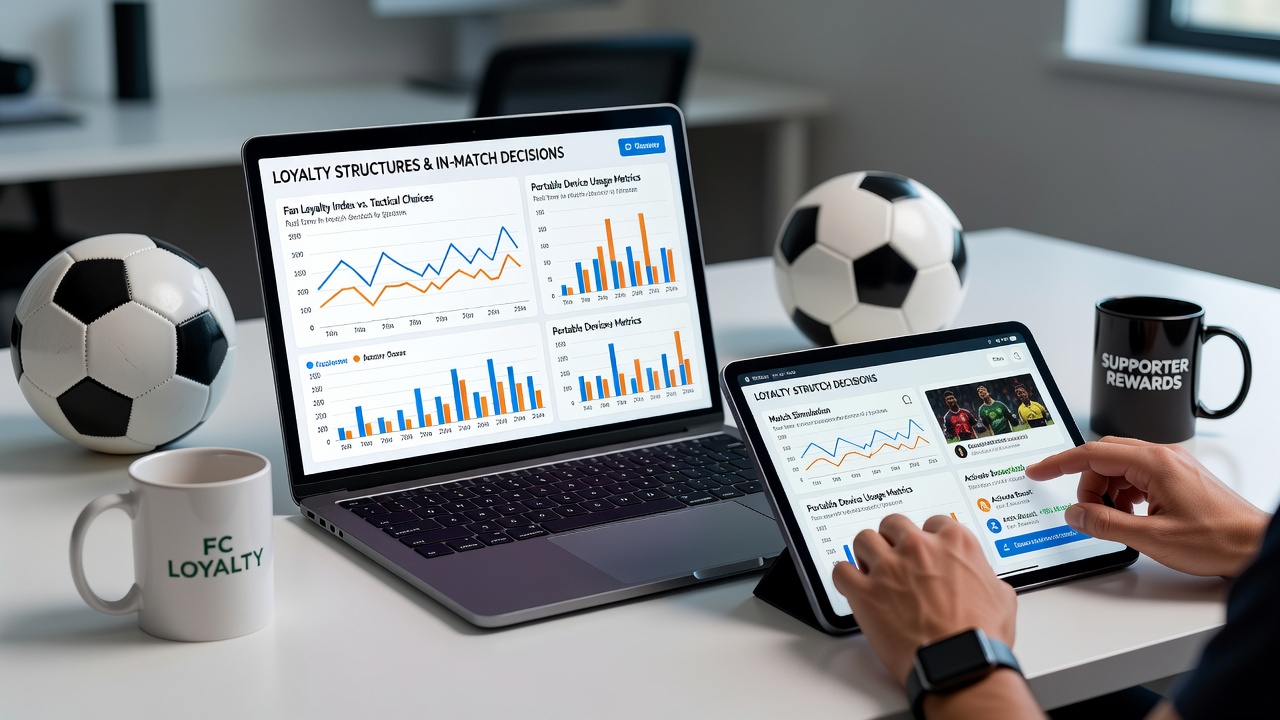
European-based systems, according to reports from governing bodies overseeing continental competitions, link loyalty progression to historical performance tracking, which encourages users to revisit past match summaries on their devices even while new fixtures progress. This creates decision loops where enthusiasts toggle between loyalty histories and current statistics panels, adjusting their focus based on which actions yield the highest point returns at that instant.
Impact on Notification and Interface Customization
Studies compiled by university research teams demonstrate that loyalty structures alter how fans configure push notifications, with higher-tier members opting for granular filters that highlight events tied to reward opportunities such as assist tracking or clean sheet bonuses. These customizations result in concentrated attention on targeted match segments rather than uniform viewing across the full ninety minutes, and similar patterns emerge when users compare progress across multiple loyalty schemes simultaneously.
Platform operators report that integration of loyalty dashboards within live match interfaces has increased since early 2025, with updates in August 2026 expanding options for real-time point redemption during active play. Fans enrolled in these programs frequently decide to extend their app sessions specifically to reach the next tier threshold before a match concludes, which influences choices about pausing for other content or continuing with supplementary statistics displays.
Connections Between Tier Progression and Tactical Engagement Features
Evidence from aggregated user data indicates that progression through loyalty ranks correlates with greater interaction rates for in-match tactical tools, such as formation viewers or substitution predictors available on portable devices. Those who advance to premium levels gain access to enhanced visualizations that require active input during the game, prompting repeated decisions about which data sets to examine at each phase of play. Researchers have documented that users at intermediate tiers show higher rates of switching between loyalty progress trackers and live event logs compared with entry-level participants.
International soccer organizations have noted these shifts in engagement metrics through their digital monitoring initiatives, highlighting how reward structures encourage sustained presence across fragmented viewing sessions. This holds especially true during congested fixture periods when multiple matches overlap on the same evening, and loyalty incentives help determine which stream receives primary focus on a user's device.
Conclusion
Loyalty structures continue to evolve alongside mobile soccer applications, directing how enthusiasts allocate attention and select interactive options throughout live matches. Patterns observed through platform analytics and independent studies show consistent links between reward tiers and specific decision sequences around notifications, content toggles, and engagement features. As August 2026 progresses, further refinements in these systems may expand the range of in-match choices available to participants across different regions and leagues.