29 Jul 2026
How Global Time Zone Shifts Alter Wager Timing Patterns Among International Users on Mobile Football Platforms
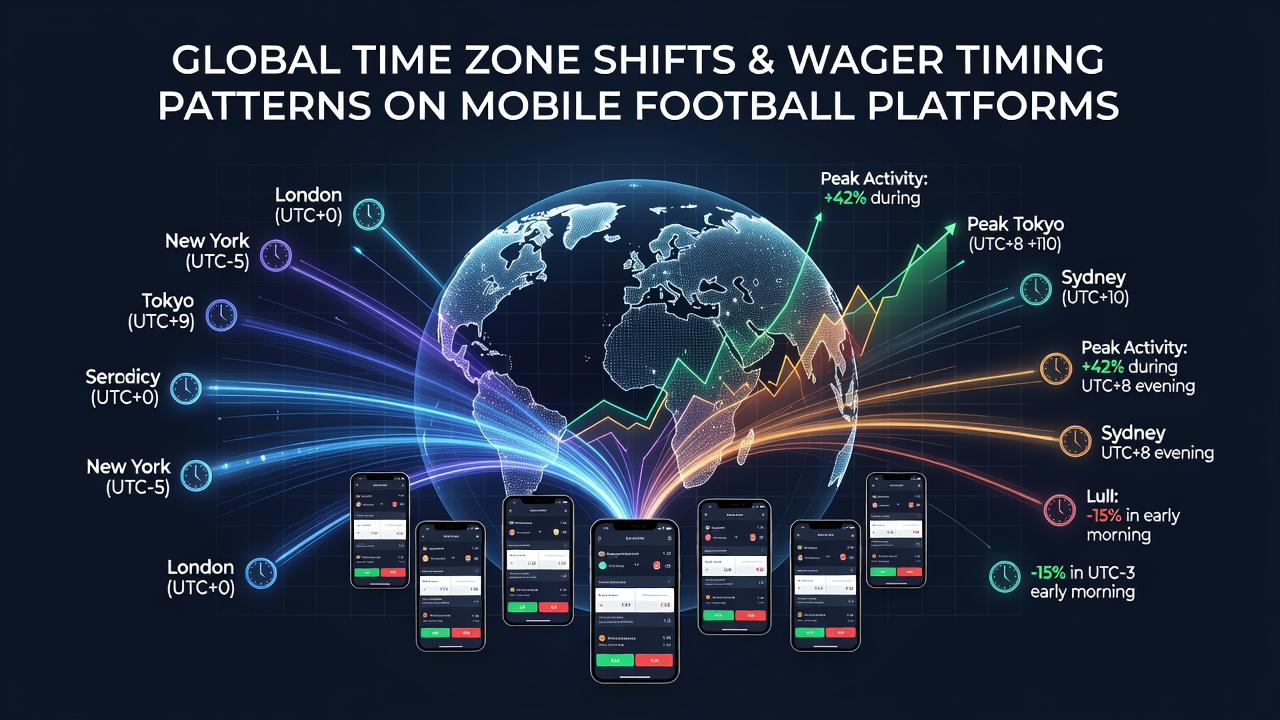
Global time zone differences create distinct rhythms in how international users approach mobile football wagering, with bettors in Asia often placing pre-match stakes on European league fixtures during their evening hours while North American participants adjust around late-night kickoffs from South American competitions. These shifts influence not only when wagers occur but also which markets see the heaviest activity as platforms record location-based login spikes and bet placements that follow local clocks rather than match times alone.
Regional Patterns in Mobile Betting Activity
Users across multiple continents demonstrate measurable changes in session starts and bet submissions that align with their home time zones, and data compiled during the 2025-2026 season shows East Asian markets experiencing peak mobile activity between 8 PM and 2 AM local time for Premier League games that begin in the afternoon in England. European users meanwhile concentrate live in-play wagers during afternoon and evening windows, whereas Australian participants frequently log in during early morning hours to follow matches from the UEFA Champions League. Platforms respond by delivering push notifications calibrated to these windows, and July 2026 figures indicate a 12 percent rise in cross-time-zone live betting sessions compared with the prior year as more apps incorporate automatic schedule converters.
Platform Adaptations to User Location Data
Mobile football platforms now integrate geolocation features that reorder market displays and alert schedules based on detected time zones, allowing users in distant regions to see countdown timers adjusted to their local perspective without manual conversion. Observers note that bettors in the Middle East often time accumulator builds during late local evenings for morning fixtures in South America, and this behavior correlates with higher volumes on over/under markets that carry extended in-play windows. Research from the Australian Gambling Research Centre reveals that apps which automatically highlight time-adjusted fixtures retain users for longer average sessions, particularly when major tournaments overlap multiple global zones.
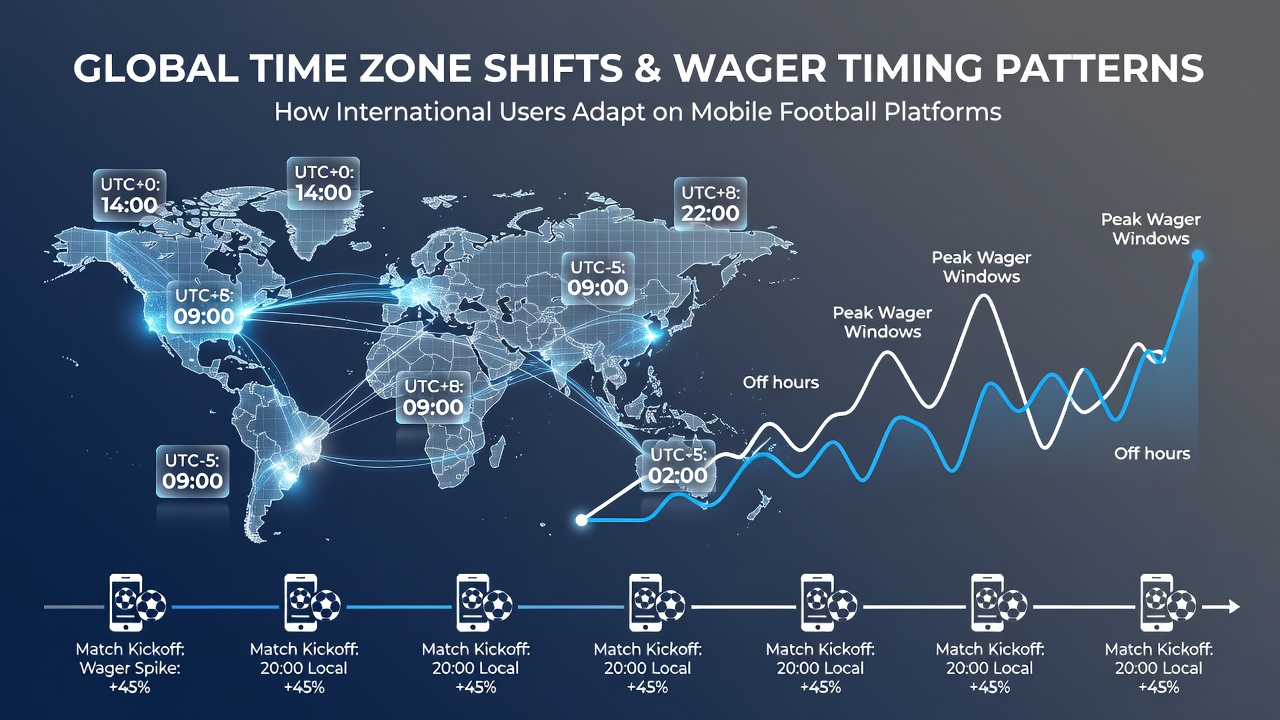
Those who track aggregated session data observe that North American bettors shift toward early morning pre-match wagers on Asian league games, creating secondary peaks that platforms accommodate through targeted promotions timed to those hours. In July 2026, several major mobile operators updated their backend systems to log time zone specific traffic, revealing consistent patterns where users in one region mirror activity spikes from another zone twelve hours away during overlapping league schedules.
Data Insights on Timing Shifts
Figures released by the Alcohol and Gaming Commission of Ontario highlight how Canadian users increase live wager frequency on European matches that kick off during their afternoon commute hours, and similar trends appear among South African participants who favor late-night sessions for Australian A-League games. These location-driven habits lead platforms to adjust server load balancing and fraud detection thresholds during expected cross-zone surges. Bettors who maintain accounts across multiple regions often develop personal routines that account for daylight saving changes, which can move match start times by an hour and temporarily alter established patterns until users recalibrate.
Effects on Specific Wager Types
Pre-match accumulator builders see the strongest time zone influence because users in earlier zones can complete selections before later zones even wake, and this creates a cascading effect where early Asian activity sets initial market liquidity that European and American users later engage. In-play betting, by contrast, spreads more evenly once matches begin, although mobile interfaces still register higher mobile data usage from users whose local time places the game in prime viewing hours. Studies indicate that deposit and withdrawal activity on these platforms also follows time zone rhythms, with certain regions showing clustered transaction times that align with wage payment cycles adjusted for international clock differences.
Conclusion
Time zone variations continue to shape mobile football wagering through predictable yet evolving user behaviors that platforms monitor and accommodate with location-aware features. As international audiences expand, these patterns provide ongoing data points for operators seeking to align interface timing with global demand cycles.