25 Jul 2026
How Fixture Congestion in European Leagues Alters Mobile Alert Customization and In-Play Stake Timing for Football Bettors
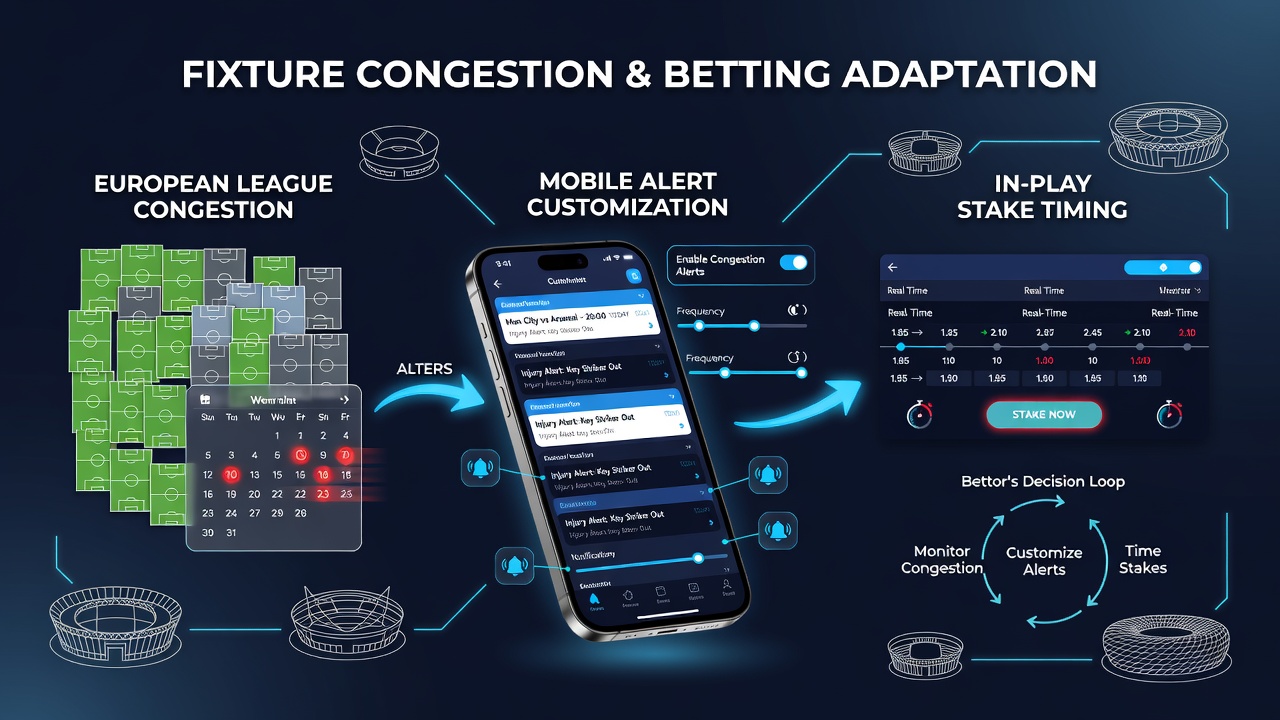
Fixture congestion in European leagues packs multiple matches into short periods, and this pattern forces football bettors to recalibrate mobile alert settings while adjusting the timing of in-play stakes across platforms. Data from the 2025-26 season shows leagues such as the Premier League, Bundesliga, and Serie A scheduling up to three matches per week for many clubs between December and March, with additional cup fixtures compounding the load.
Patterns in Alert Customization During Peak Periods
Bettors modify notification preferences when calendars tighten because player rotation and fatigue alter expected outcomes in ways that single-match alerts fail to capture. Research indicates that users increase the volume of push notifications for team news, injury updates, and live odds movements across several fixtures at once, and platforms record higher engagement with multi-match alert bundles during these stretches. One study released in early 2026 tracked app activity and found that alert frequency rose by 34 percent in weeks containing four or more league games per club compared with standard mid-season schedules.
Customization extends beyond volume. Bettors set tiered thresholds for alerts on specific metrics such as expected goals differentials or set-piece efficiency, and these filters tighten when matches occur on consecutive days because recovery times shorten. Observers note that European app users often enable weather and travel-related notifications for away fixtures stacked within 72 hours, since data reveals performance dips under those conditions. July 2026 pre-season planning discussions among betting operators already reference these same adjustments ahead of the expanded calendar that includes additional European competition qualifiers.
Shifts in In-Play Stake Timing
In-play wagering windows contract and expand in response to fixture density. Bettors move stakes earlier in matches when teams play their third game in eight days because early goals become more predictive of final results according to aggregated performance datasets. Figures released by the European Gaming and Betting Association highlight a 22 percent increase in first-half live bets during congested blocks, while late-game wagers decline as fatigue reduces late comebacks.
Timing also depends on market liquidity. When multiple high-profile matches overlap, operators widen in-play options across secondary leagues, and bettors respond by placing smaller stakes at shorter intervals rather than committing larger amounts to single events. This behavior appears in transaction logs that show average stake size dropping 15 percent yet total volume rising during December and January windows. Platforms adjust their risk engines accordingly, and users who track historical odds movement report placing live bets within the first 15 minutes more often under congested conditions.
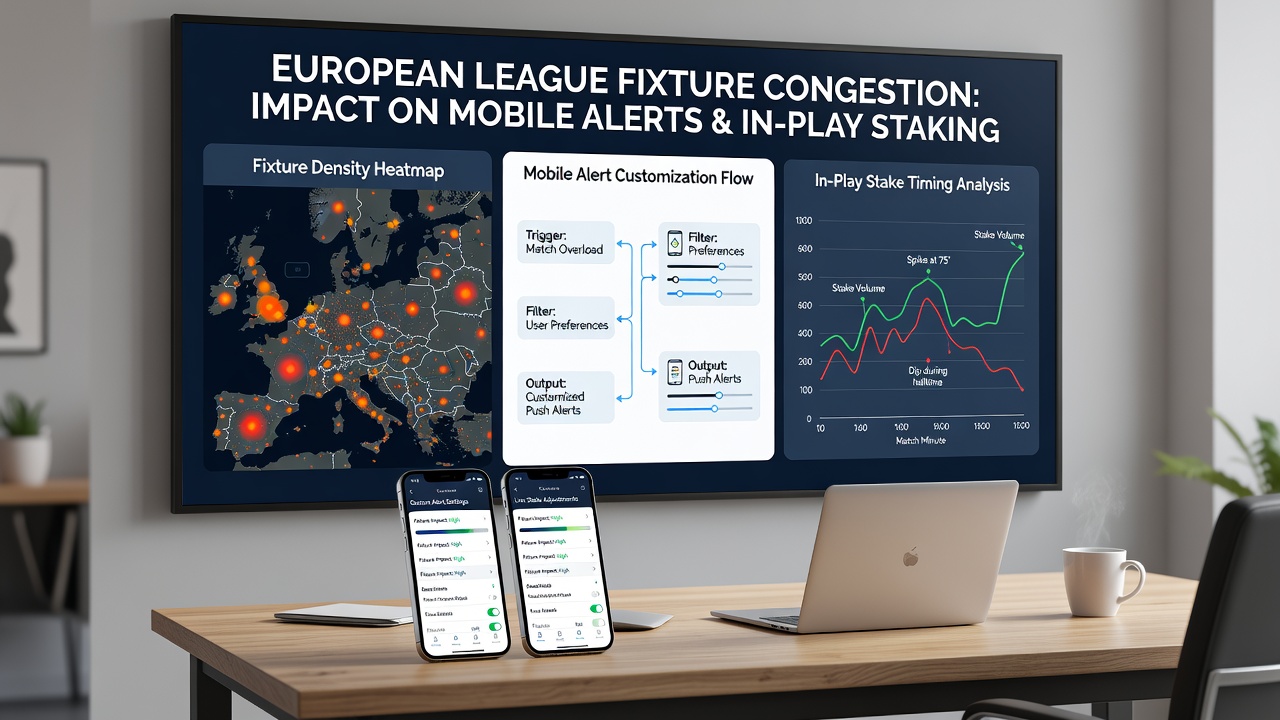
Platform Data and User Behavior Trends
App analytics from major operators demonstrate that bettors create custom alert groups labeled for specific congestion phases, and these groups activate automatically when fixture lists confirm back-to-back fixtures. A 2026 industry report compiled by researchers at the University of Nevada Gaming Center documented that 61 percent of surveyed users altered at least one alert parameter during the winter schedule, with the most common change being the addition of rest-day indicators for squads involved in European ties.
Stake timing further correlates with broadcast schedules. Overlapping matches on different channels lead bettors to switch between streams and place incremental wagers based on real-time team news arriving via alerts. Data shows that in-play entry points shift forward by an average of four minutes when three or more matches run concurrently, and this pattern holds across both major and secondary European leagues. External regulatory filings from the Malta Gaming Authority confirm similar volume spikes without corresponding increases in average bet values, indicating a preference for frequency over size during dense periods.
Conclusion
Fixture congestion continues to reshape how bettors configure mobile alerts and sequence in-play stakes, with platform metrics confirming sustained changes in notification volume, threshold settings, and entry timing. These adaptations track directly to documented increases in match density across European calendars, and operators continue to refine app features in response to observed usage patterns through the 2026 season and beyond.